Line-side delivery with a steadier factory flow.
This case focuses on manufacturing logistics: pallet transfer, work-in-progress circulation, buffer zone handoff and line-side supply. The core question is how to make internal transport more repeatable, more visible and less dependent on manual dispatching.
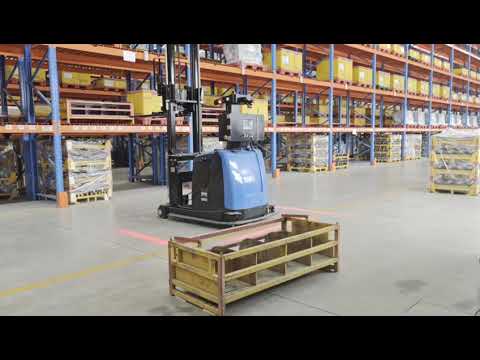
Why manufacturing logistics becomes the bottleneck
This type of project covers line-side delivery, work-in-progress transfer, buffer circulation and pallet/bin movement between warehouse and workshop. The objective is to maintain a clearer production rhythm while reducing non-value-added manual movement.
The issue is coordination across nodes
- Line-side supply often depends on manual dispatching and ad-hoc prioritisation
- Buffer zones and handoff points are hard to visualize and standardize
- Material movement records are inconsistent when physical flow and system flow diverge
Use AGV as the execution layer of internal logistics
The solution typically combines pallet AGV, CTU/bin handling logic and multi-node transport rules to connect warehouse, buffer and production areas. The goal is to let transport tasks follow production logic instead of relying on isolated manual reactions.
WMS, WCS and factory systems must stay aligned
The strongest projects link AGV execution with WMS/WCS and, where relevant, production-side systems. Task issue, process feedback, handoff records and node status should remain consistent between the physical route and the digital workflow.
What changes after deployment
- Line-side delivery rhythm becomes clearer and easier to plan
- Internal transport reacts faster and with less manual coordination overhead
- Material flow and system records become easier to track together